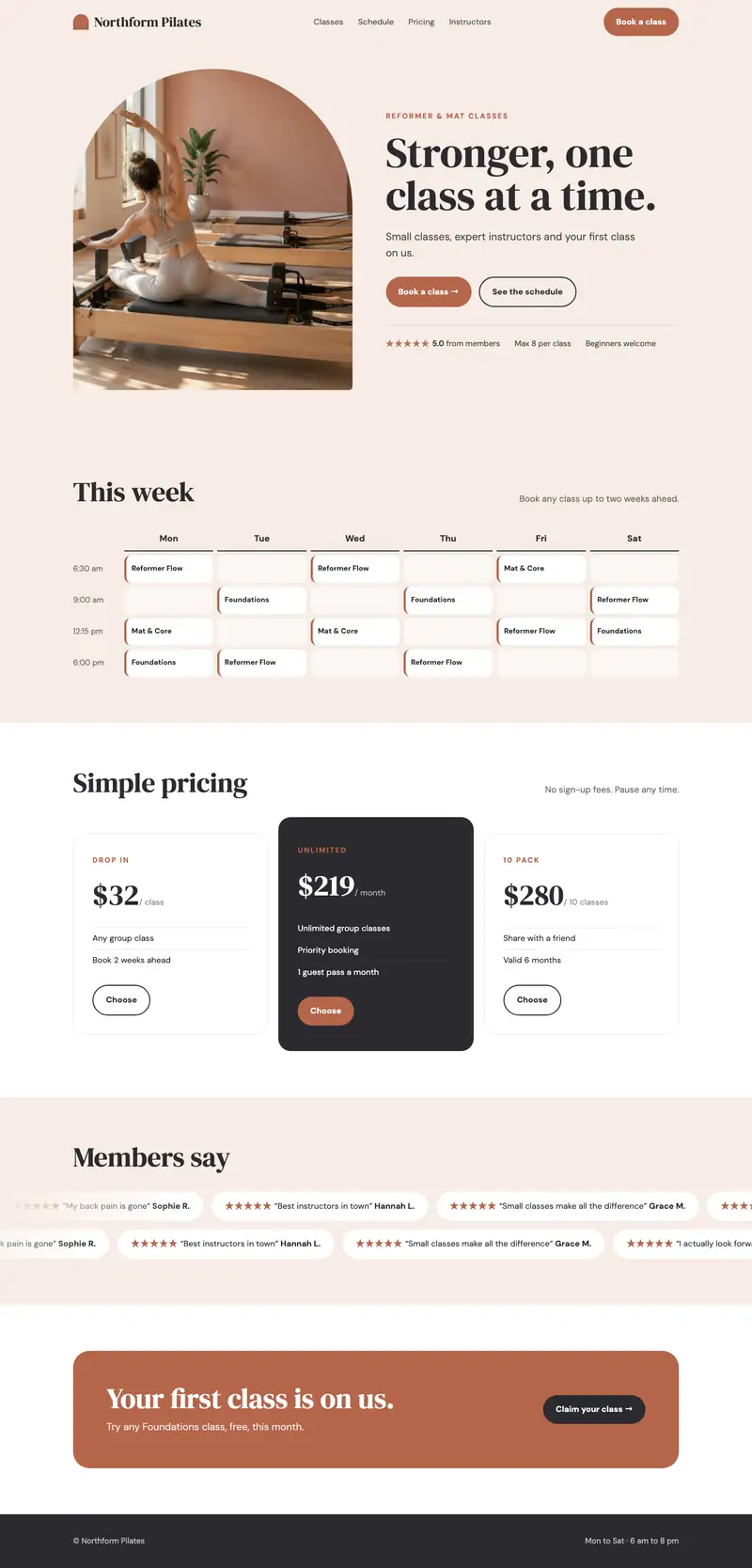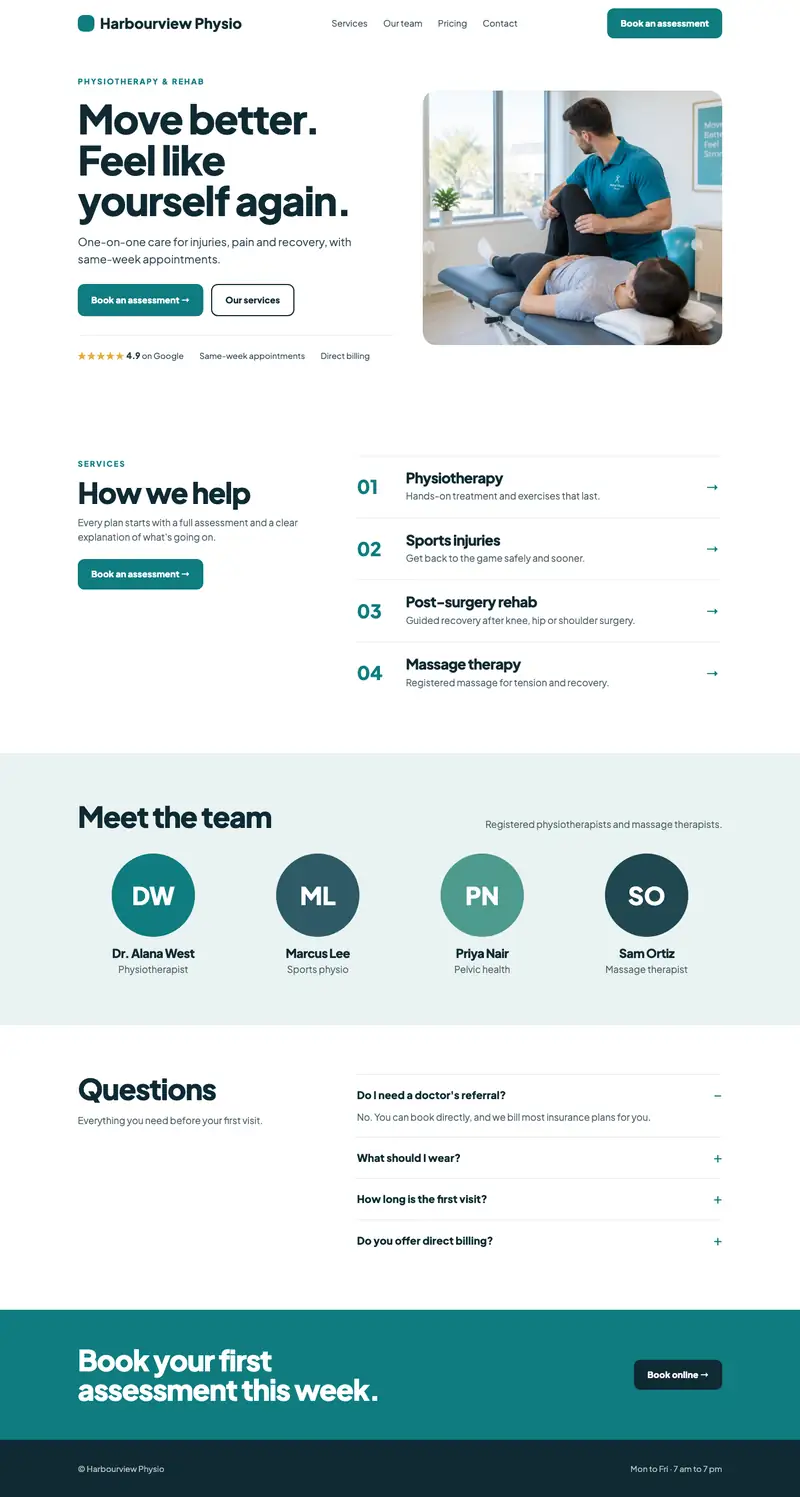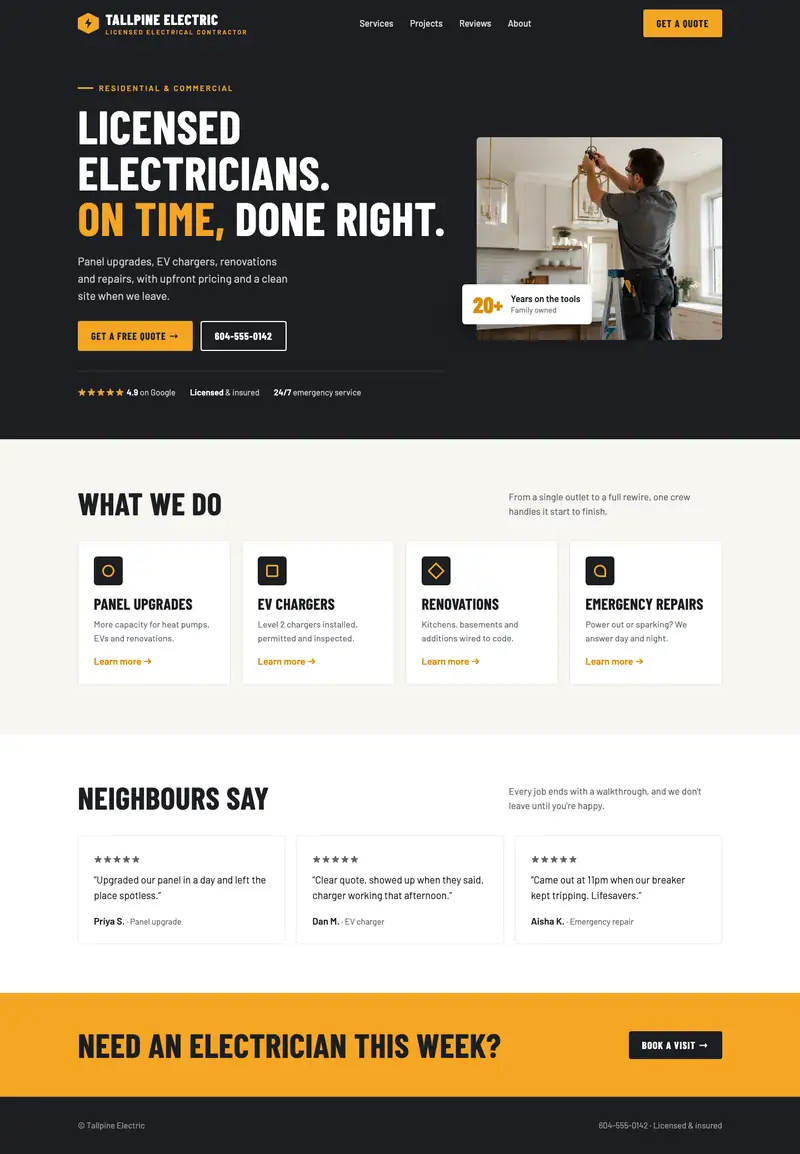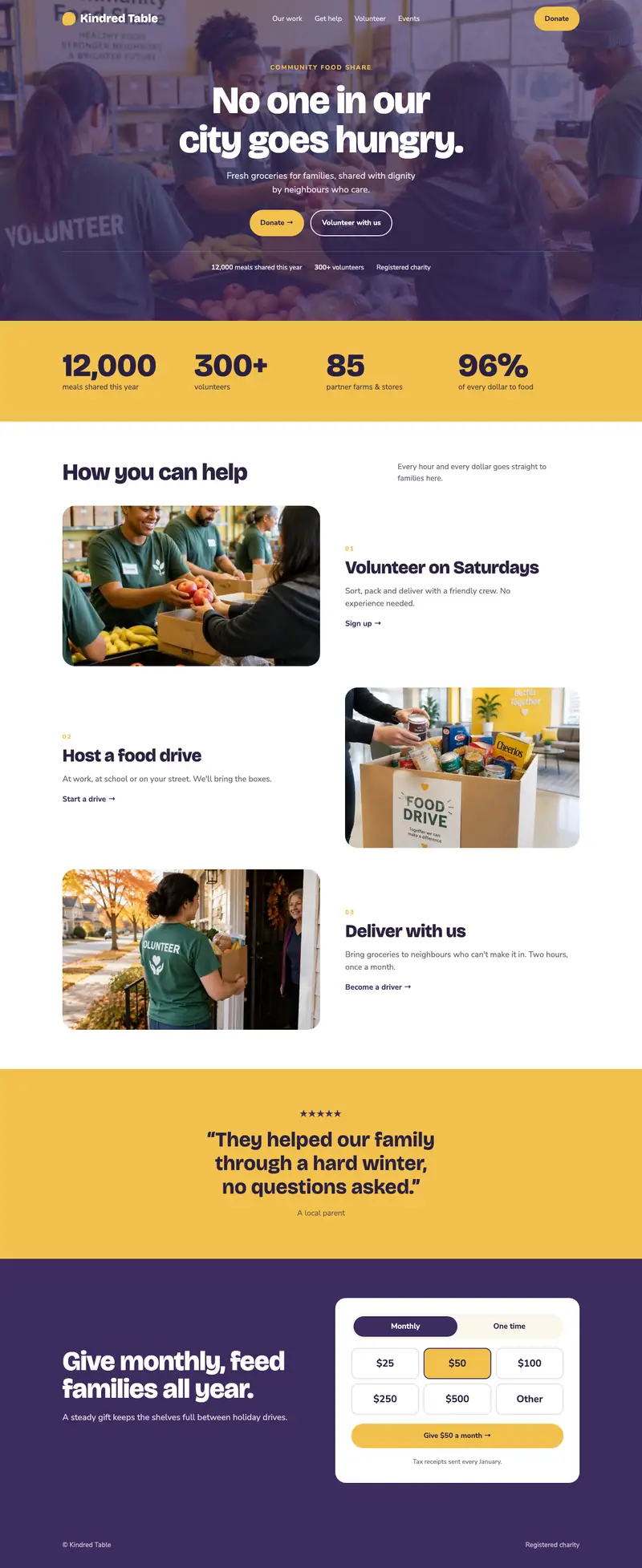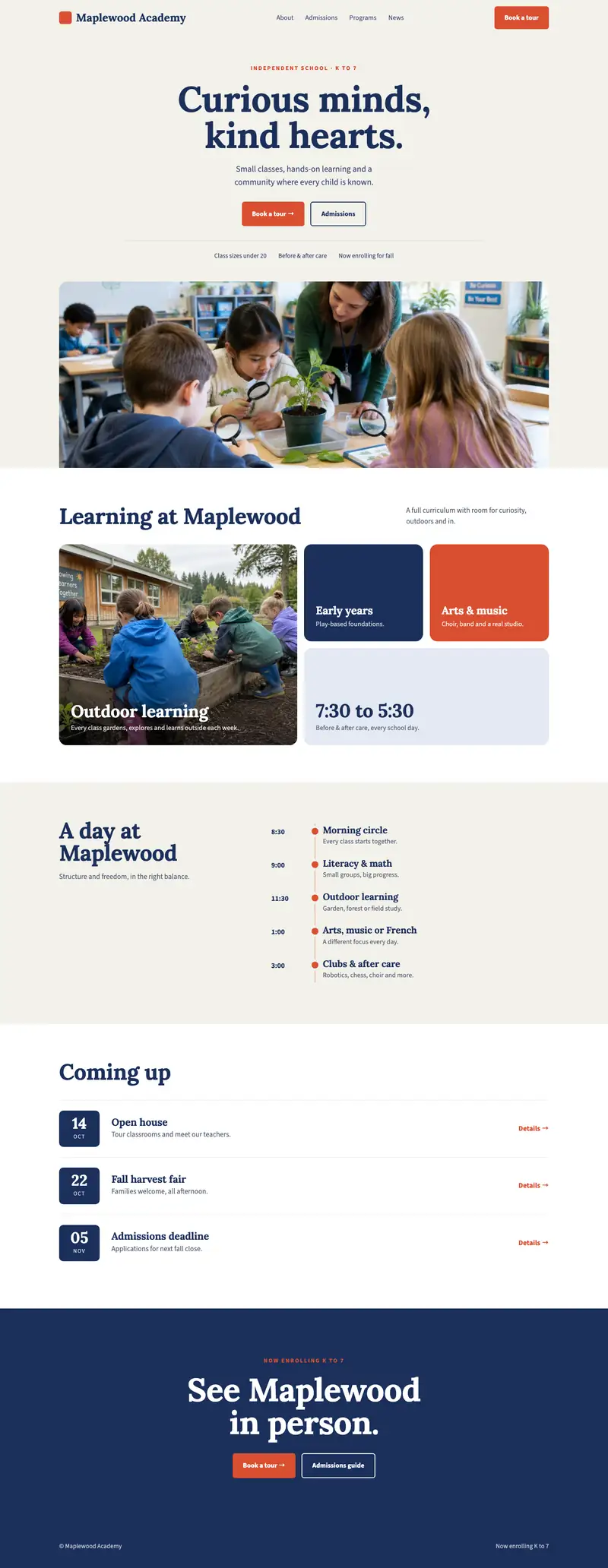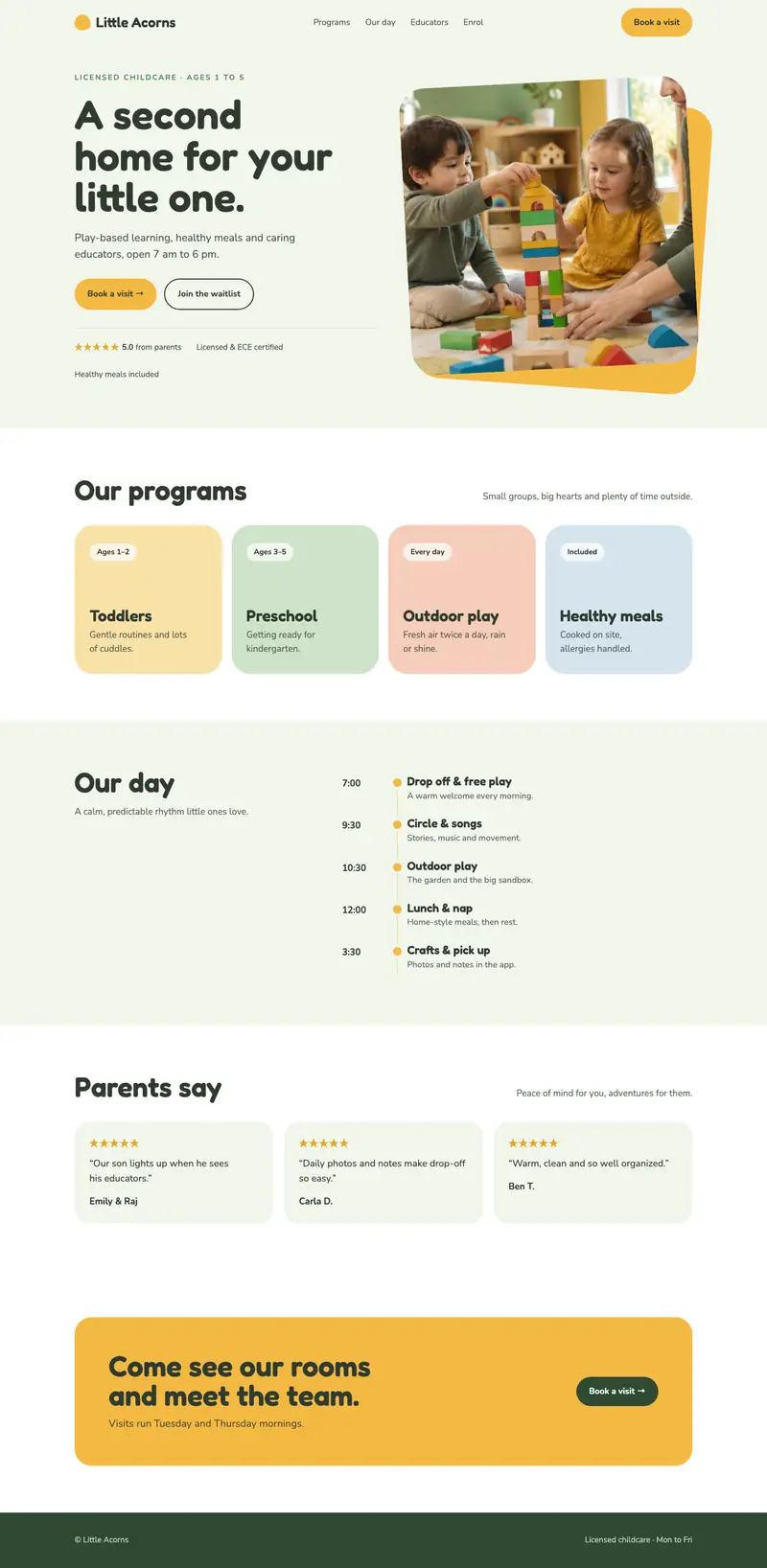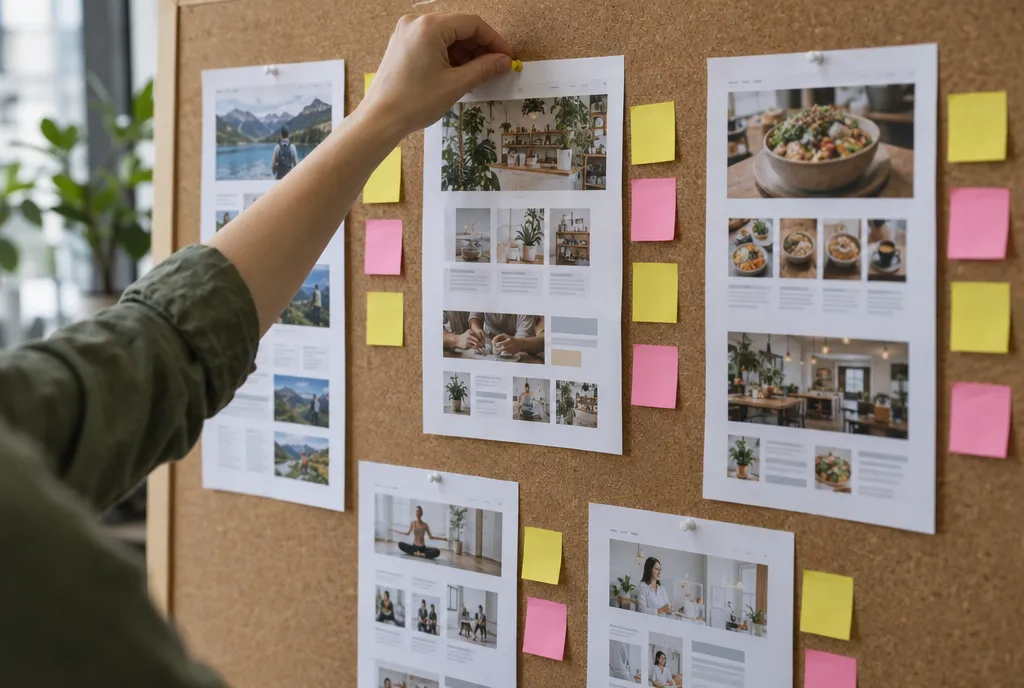
It’s tempting to start a website with how it should look. Colours, fonts, a nice photo at the top.
We start somewhere else. Every project begins with research into your market and your competitors, before anything is designed.
A website is one tool, not the whole plan
Your website works alongside everything else you do: referrals, social media, ads, signage, word of mouth. It has to fit that bigger picture.
If the site says something different from the rest of your marketing, people notice. If it says the same thing more clearly, it makes everything else work better.
What the research looks at
- Your market. Who your customers are, what they look for and how they search for it.
- Your competitors. What they say, what they offer, how their sites work and where they fall short.
- Your business. What you do best, what makes you different and what your clients already say about you.
- Your position. Where you fit among the other options your customers are weighing.
What it changes
Research turns guesses into decisions.
Without it, a site tends to say what every competitor says: quality service, experienced team, customer focused. Nobody remembers those words, because everyone uses them.
With it, we can see what your competitors aren’t saying, and what your customers actually care about. That’s usually where your message is.
It also shapes practical things:
- Which pages the site needs
- What goes at the top of the home page
- Which questions to answer, and where
- What the main call to action should be
Then strategy, then design
The research feeds a brand strategy: how you’re positioned and what you want people to remember. The website is designed and built on that strategy.
So when you see the first design, it’s not a guess at what might look nice. Every section is there for a reason you can trace back to the research.
Does it make the project longer?
A little, at the start. But it saves time later. Most of the back and forth in a website project comes from not knowing what the site is supposed to say. When that’s settled first, design and build move quickly.
It also means you come out of the project with more than a website. You’ll be clearer about who you are, what you do and the value you bring to your customers.