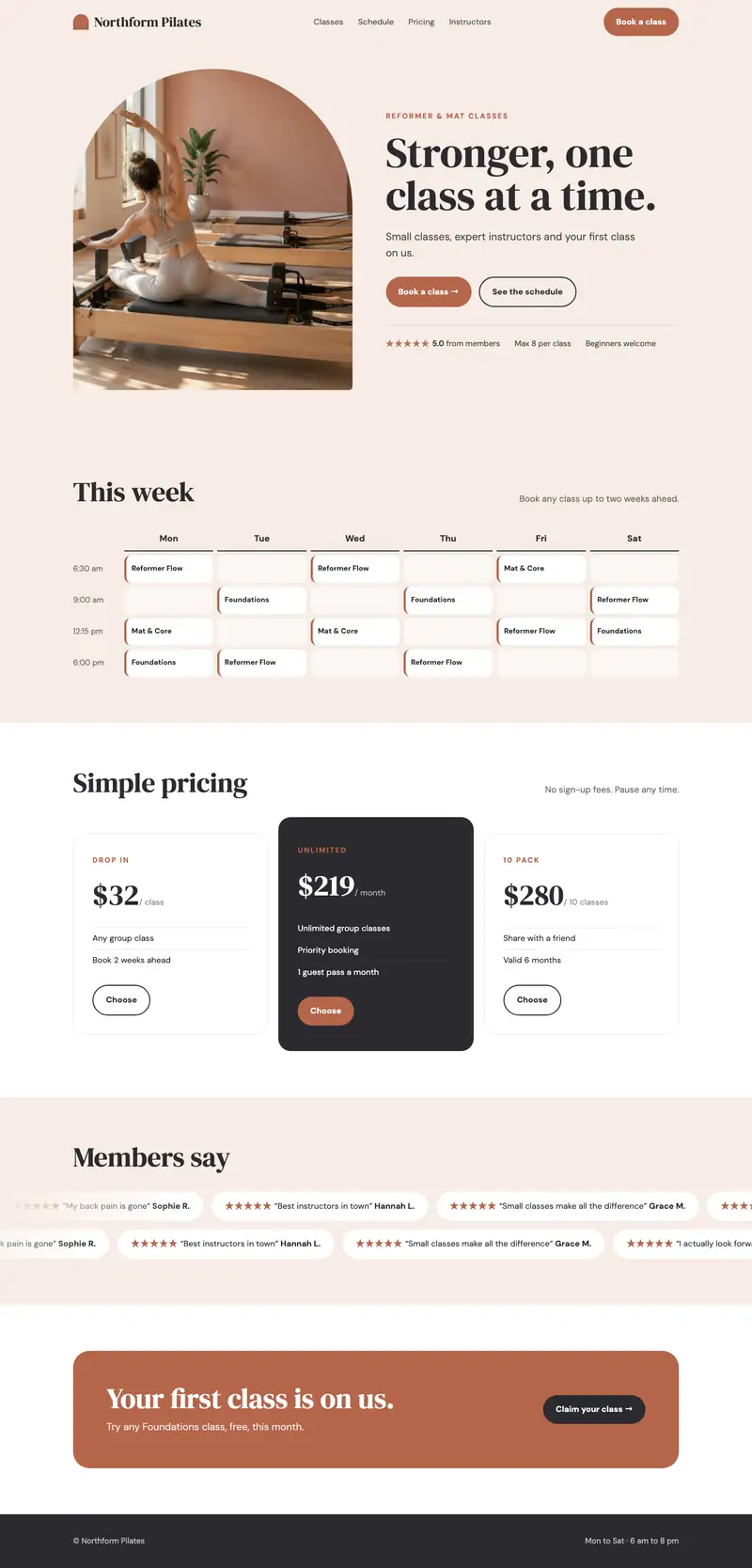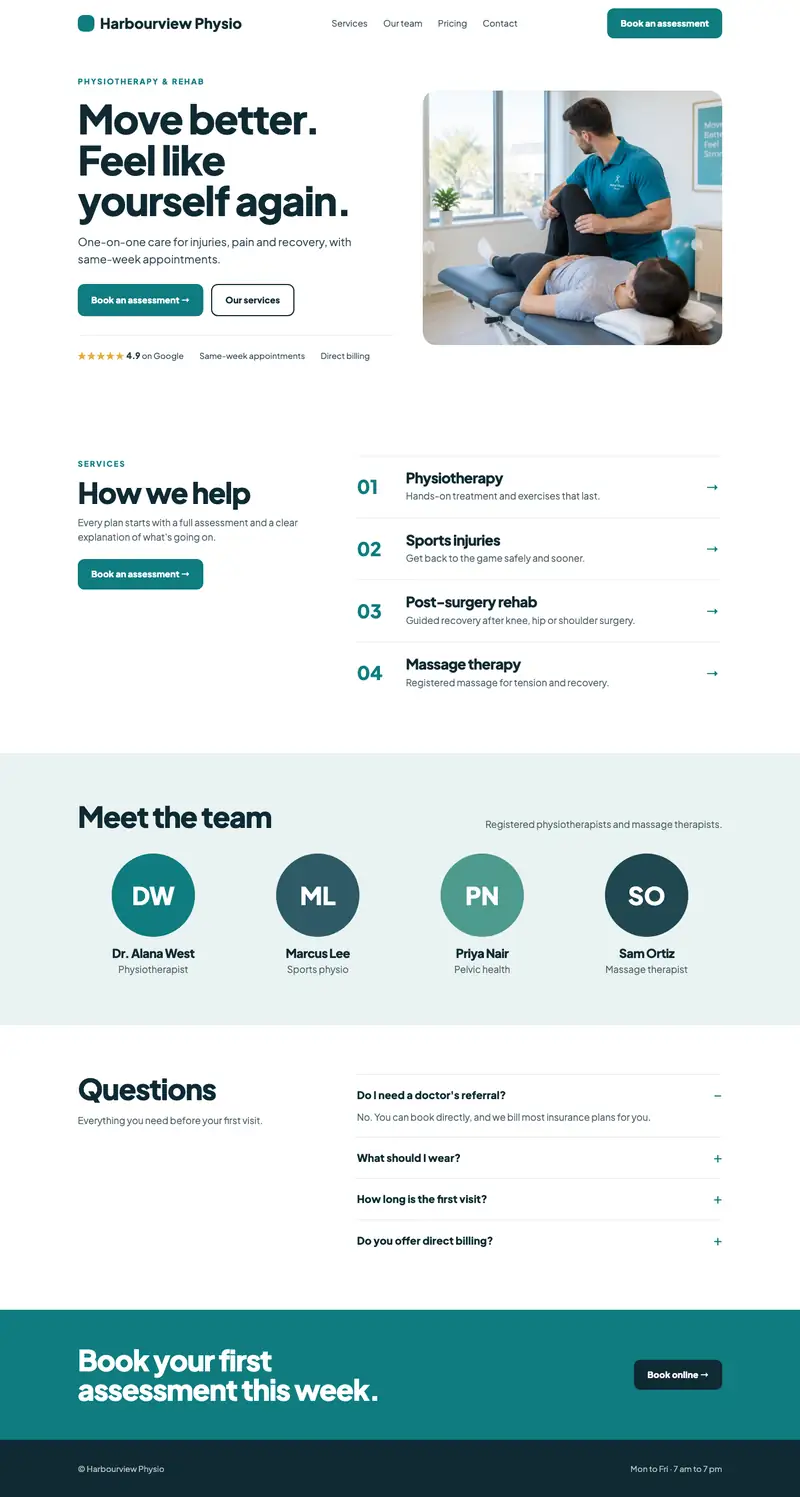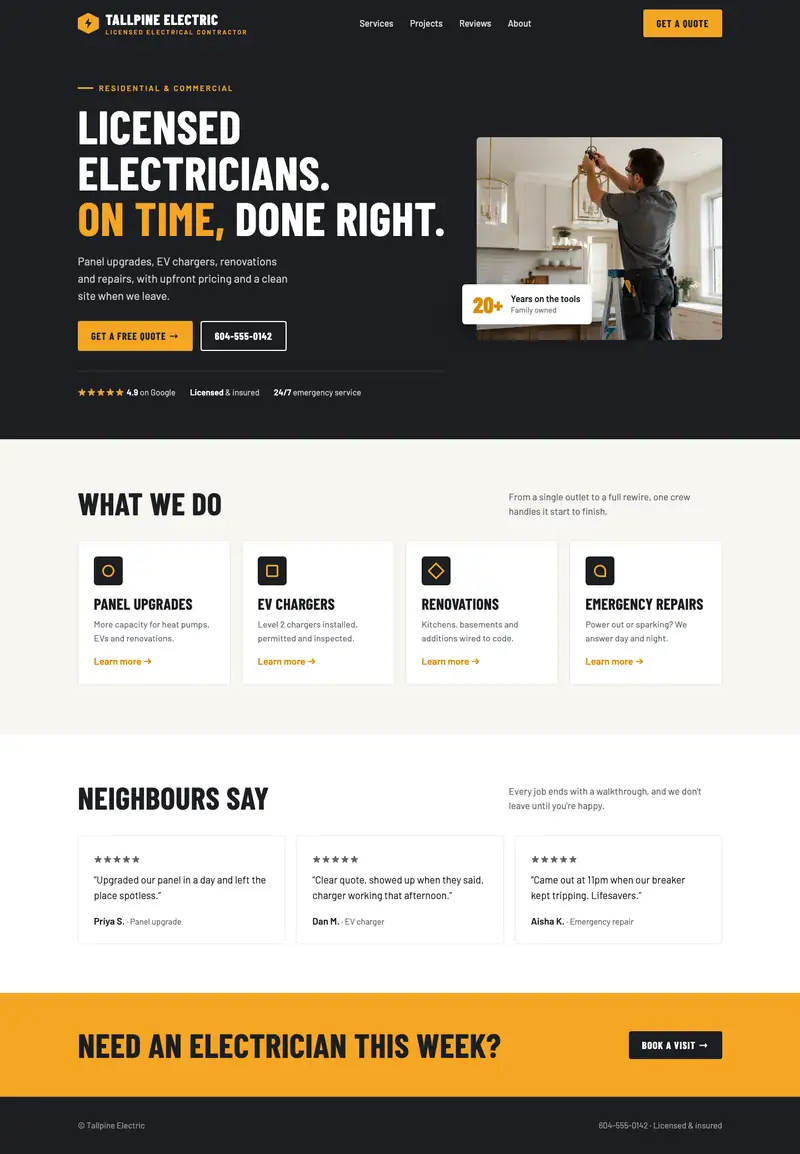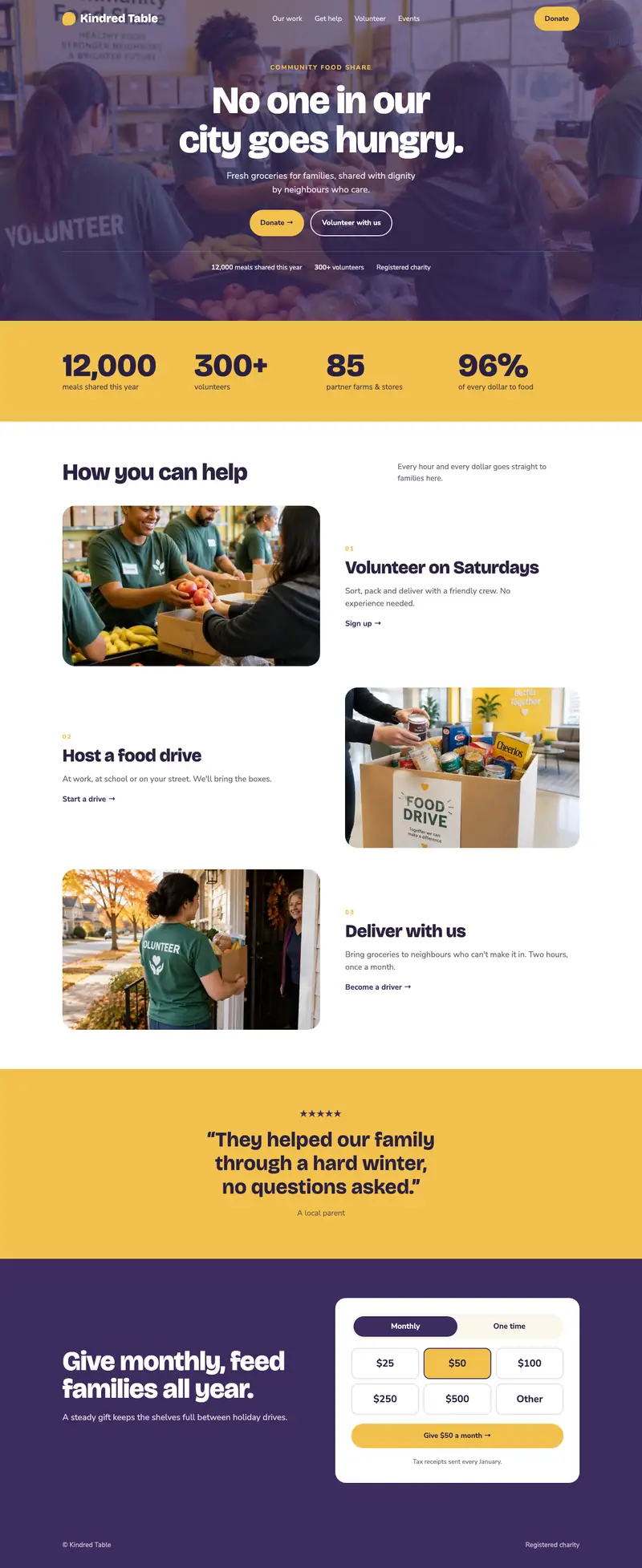
Most website projects don’t slow down during design or build. They slow down while everyone waits for something: a logo file, a login, a paragraph about a service.
Here’s what to pull together before you start. You don’t need all of it on day one, but the more you have, the faster things move.
Know what the site is for
Start with one sentence. What should a visitor do after they land on your site?
- Call you
- Fill out a form
- Book an appointment
- Learn enough to trust you
If you can name the one action that matters most, every page can be built around it.
Know who it’s for
Think about the people you most want to hear from. What do they need to know before they reach out? What questions do they ask you on the phone every week?
Those questions are some of the most useful content your site can have.
Gather what you already have
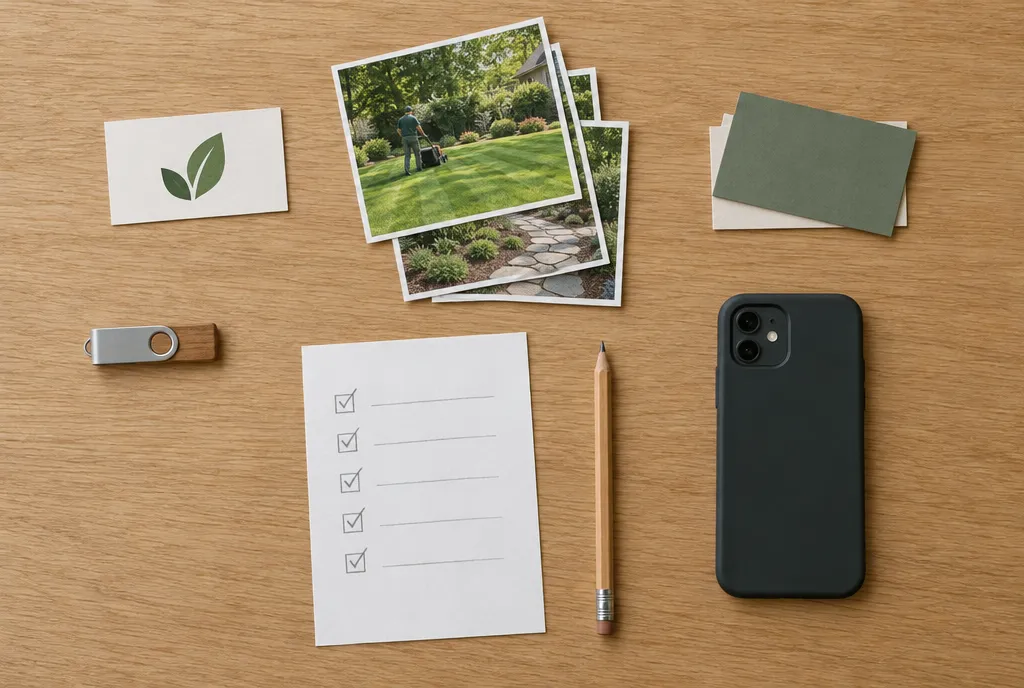
- Your logo, in the best file you can find. A vector file (SVG, AI, EPS or PDF) is ideal.
- Photos of your work, your team or your space. Real photos beat stock photos.
- Your services, listed out, even roughly.
- Reviews and testimonials you already have permission to use.
- Your current website, if there is one, and what you like and don’t like about it.
Collect a few examples
Find two or three websites you like, and say why. It might be the layout, the colours or how easy it is to find a phone number. They don’t need to be in your industry.
Also list your main competitors. We look at them closely during research, and it helps to know who you see as competition.
Find your logins
This one causes more delays than anything else. Before the project starts, find out who has access to:
- Your domain (where your web address is registered)
- Your current hosting, if you have a site now
- Your Google accounts, like Business Profile and Analytics
- Your email provider, if it runs on your domain
If a past web designer or a staff member who has since left set these up, now is the time to track them down.
Decide who approves
Pick one person to give feedback and approve the work. If several people need a say, gather their comments first and send them together. Mixed feedback from different people is one of the easiest ways to lose a week.
Know your budget and timeline
You don’t need an exact number, but a range helps. It lets us recommend the right scope, instead of a plan you’ll have to cut back later. If there’s a date the site needs to be live, say so early.
You don’t have to do this alone
When you work with us, most of this is covered by a questionnaire before the proposal. If something is missing, we’ll help you find it or work around it.
Let me know if you have any questions.