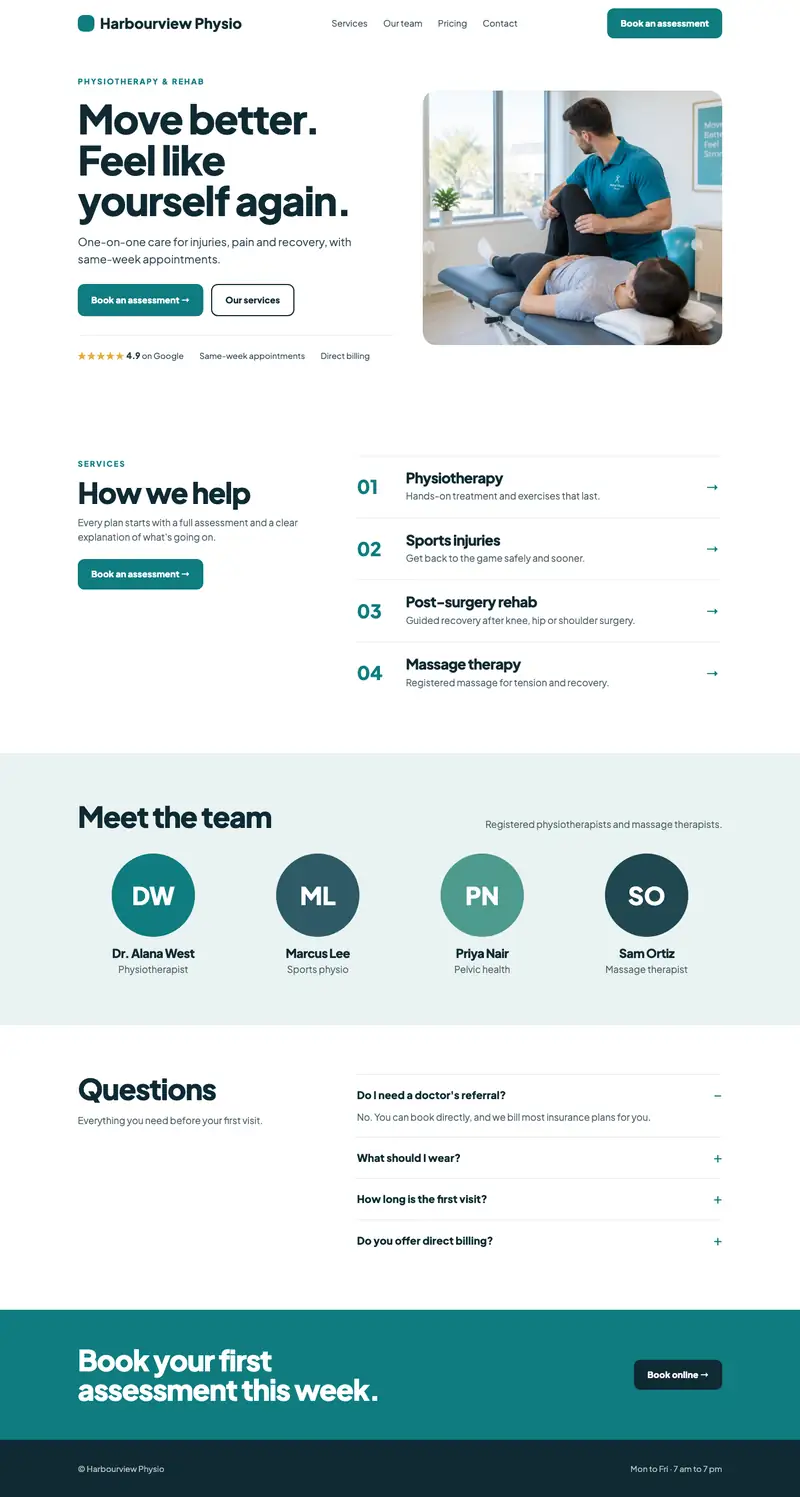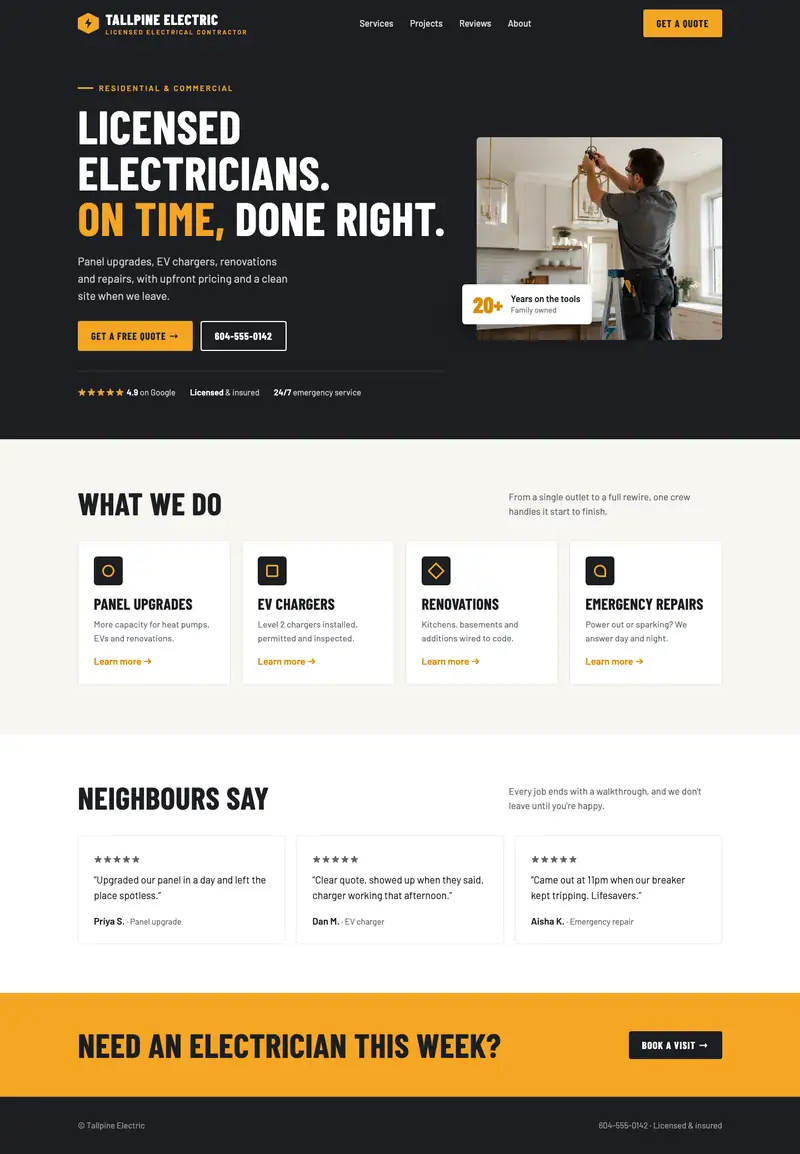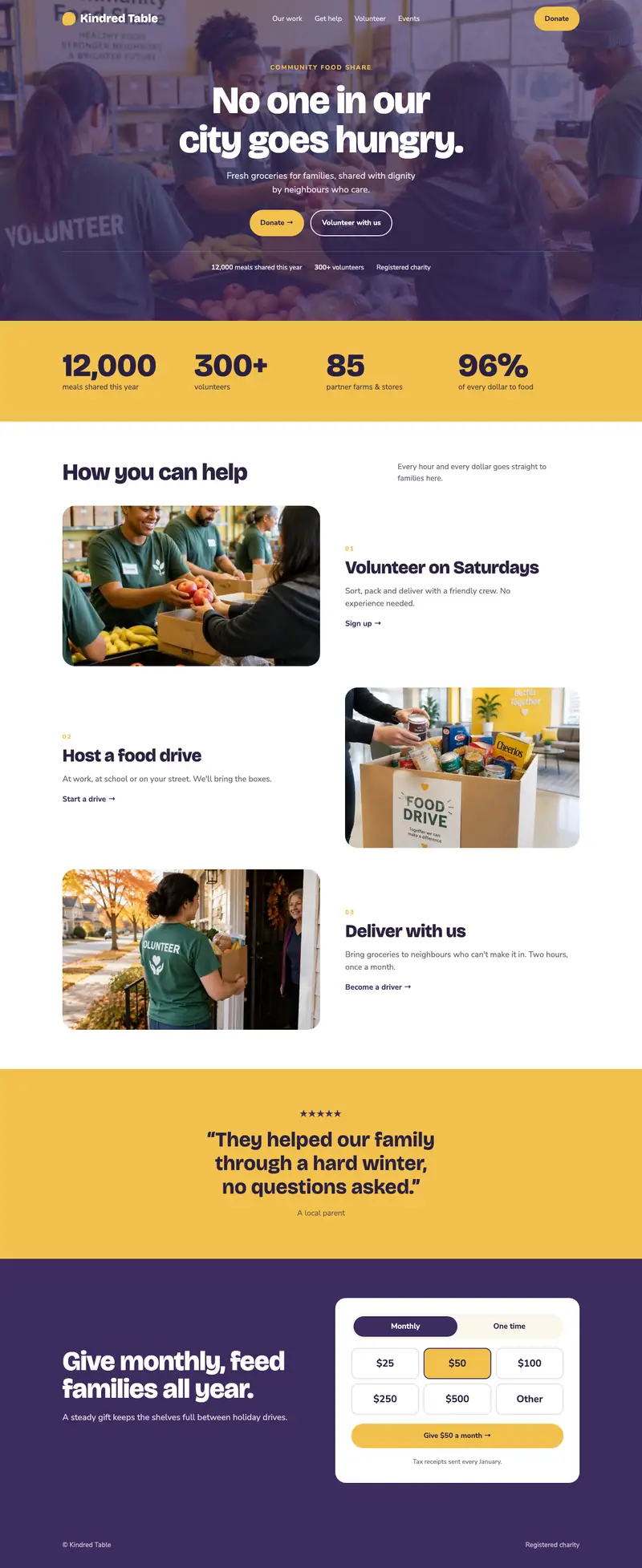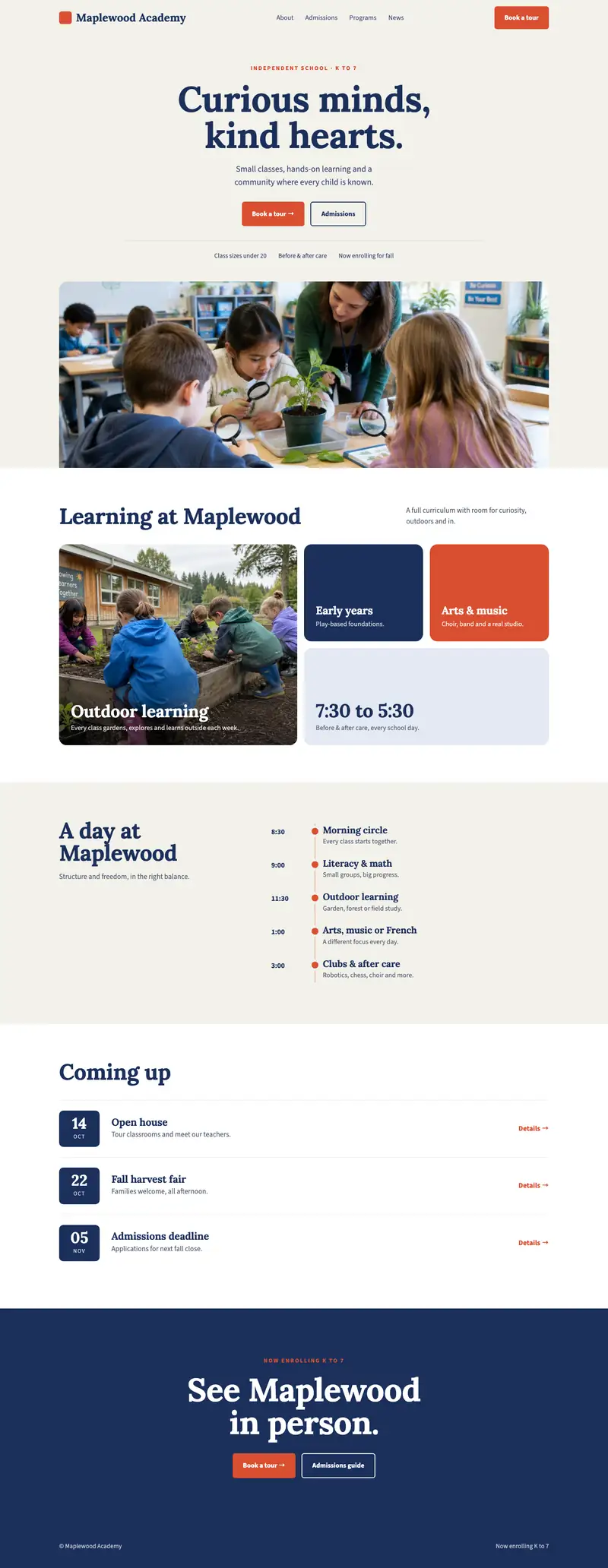
More people now ask AI tools questions they used to type into Google. “Who’s a good web designer near me?” “What does a physiotherapist charge?” Tools like ChatGPT, Google’s AI Overviews and Perplexity answer by reading websites.
An AI-ready website is one those tools can read and understand easily. It’s not a special feature. It’s mostly doing the basics well.
What makes a site easy for AI to understand
It loads as plain HTML. Some sites only show their content after heavy scripts run in the browser. People see the page fine, but some crawlers get very little. Our sites are served as plain HTML, so the content is there for anyone, or anything, that asks for it.
It’s clearly structured. One main heading per page, sensible headings below it, and one topic per page. It’s the same structure that helps a person skim.
It says what you do in plain words. “We repair commercial refrigeration in Surrey” is easy to understand and to quote. “Innovative solutions for a changing world” isn’t.
It answers real questions. FAQs and helpful articles give AI tools direct answers to point people to. The questions your customers ask you every week are a good place to start.
It has structured data. This is hidden code that labels the facts on your site: your business name, location, services and so on. Search engines and AI tools use it to be sure they’ve read things correctly.
Your details match everywhere. Your name, address, phone number and services should be the same on your site, your Google Business Profile and your social accounts. When they don’t match, tools are less sure which one is right.
It’s fast. Speed matters to people and to search engines alike.
What it doesn’t mean
It doesn’t mean a chatbot on your site.
It also doesn’t mean avoiding AI. AI helps us write content too. What matters is what goes into it: everything we learn about you from the questionnaire and the research. Who you are, what you do, who you serve and how you’re different.
That’s the difference between informed content and random facts. Generic filler reads the same on every site, and it’s exactly what these tools learn to skip. Content built on real knowledge of your business gives them something worth quoting.
And to be honest about the limits: nobody controls what an AI tool says. No one can promise that ChatGPT will recommend your business. What you can do is make sure your site gives these tools clear, accurate information to work with.
Why it matters now
The way people find businesses is changing, and it will keep changing. A site built on clean structure and clear writing works for search engines today and for whatever comes next. That’s a big part of what we mean by websites built for what’s next.